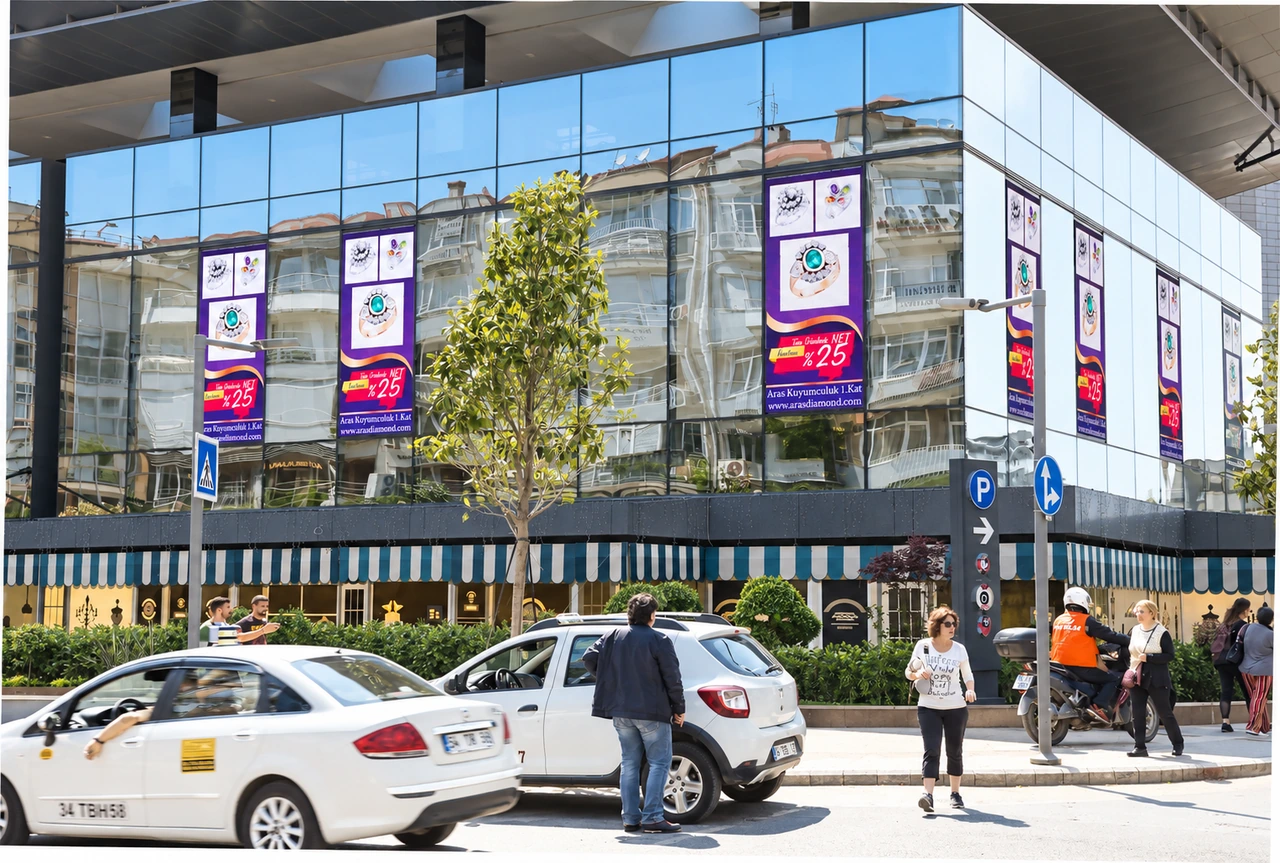
Display brightness is measured in nits (cd/m²). The same content that looks clear on a 350-nit display in an enclosed office can become almost unreadable on the same display in a sunlit shop window. The right brightness is chosen according to the light in the display's environment.
Brightness ranges by environment
Values are taken from the manufacturer's technical specifications. The table is a starting point; the direction of the display, hours of sun exposure and the reflective properties of the glass can change the final choice.
Too much brightness is also a problem
A display that is brighter than necessary indoors tires viewers' eyes and wastes energy. On professional displays, sensors that adjust brightness to ambient light and scheduling settings help strike this balance.
What to look at besides brightness
- Operating hours: Shop window and outdoor displays often stay on all day; series built for 24/7 operation should be chosen.
- Temperature resistance: Sunlit glass and outdoor conditions heat the display. Outdoor models such as the Samsung OHDX and OH85F are built to operate between –30 °C and 50 °C.
- Protection rating: Dust protection (IP5X) is needed for shop window displays, and protection against water and impact outdoors. The OH85F is rated IK10 for impact resistance.
- Mounting and service: The display's position relative to the glass, the ventilation gap and service access should be planned before installation.
LCD or LED?
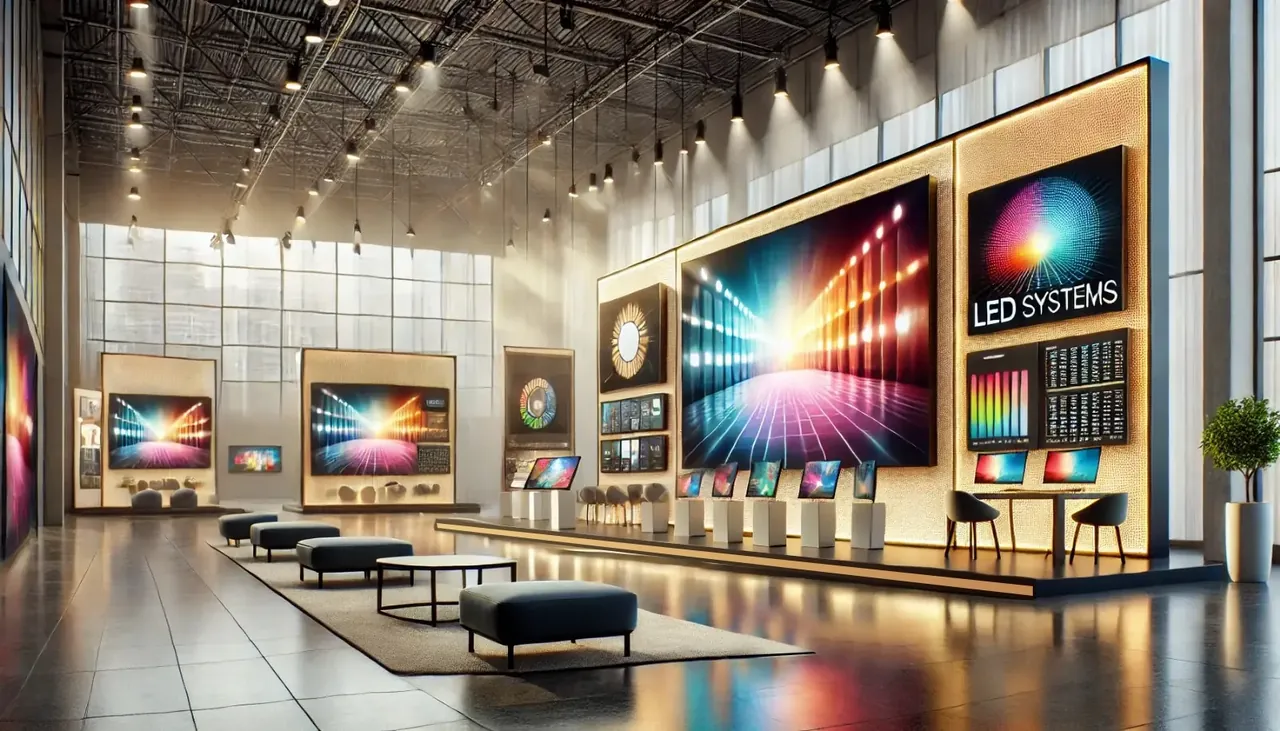
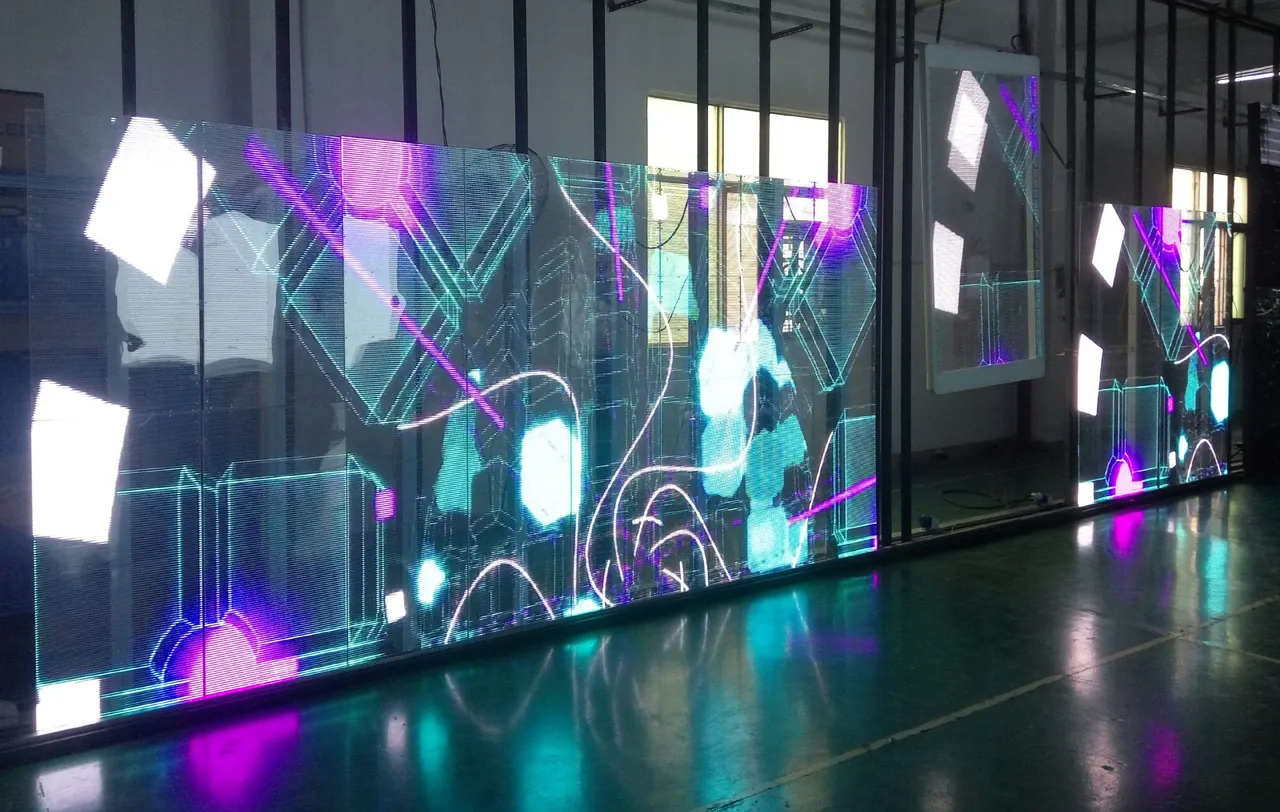
For large surfaces and façades viewed from a distance, LED displays may be more suitable. For this decision, see our pixel pitch guide and our LED display page.
Summary
Brightness of 350–700 nits indoors, 3,000 nits and above behind shop window glass, and 2,500 nits and above outdoors should be evaluated together with 24/7 operation, temperature resistance and protection rating. We can measure the lighting conditions of your space with an on-site survey and determine the most suitable display together.