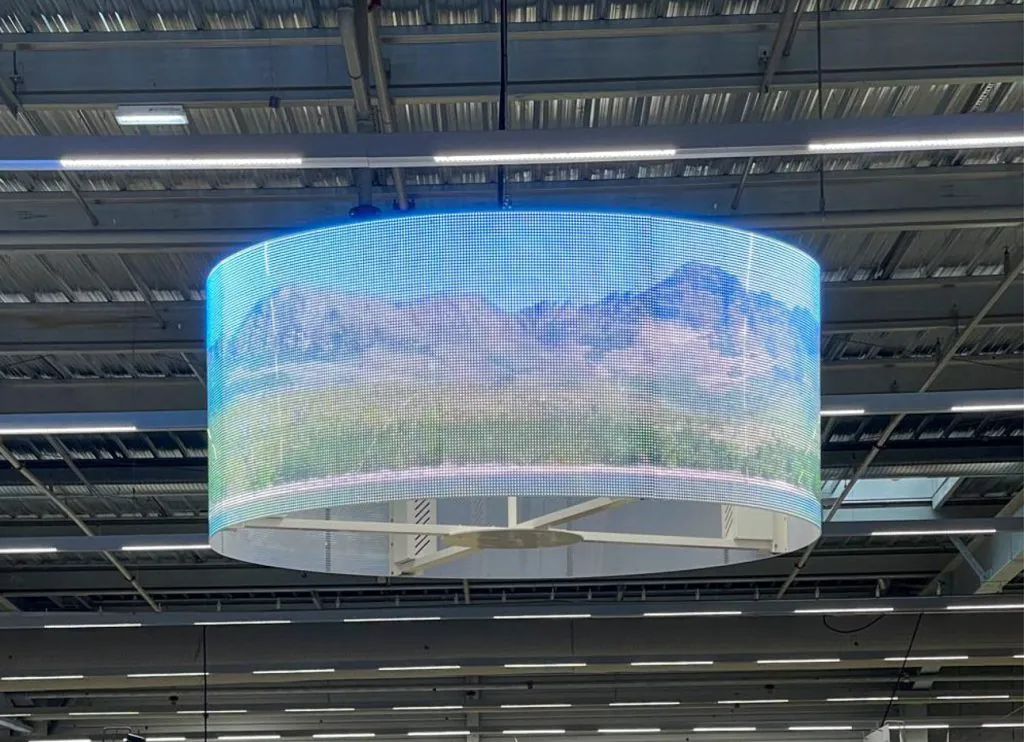
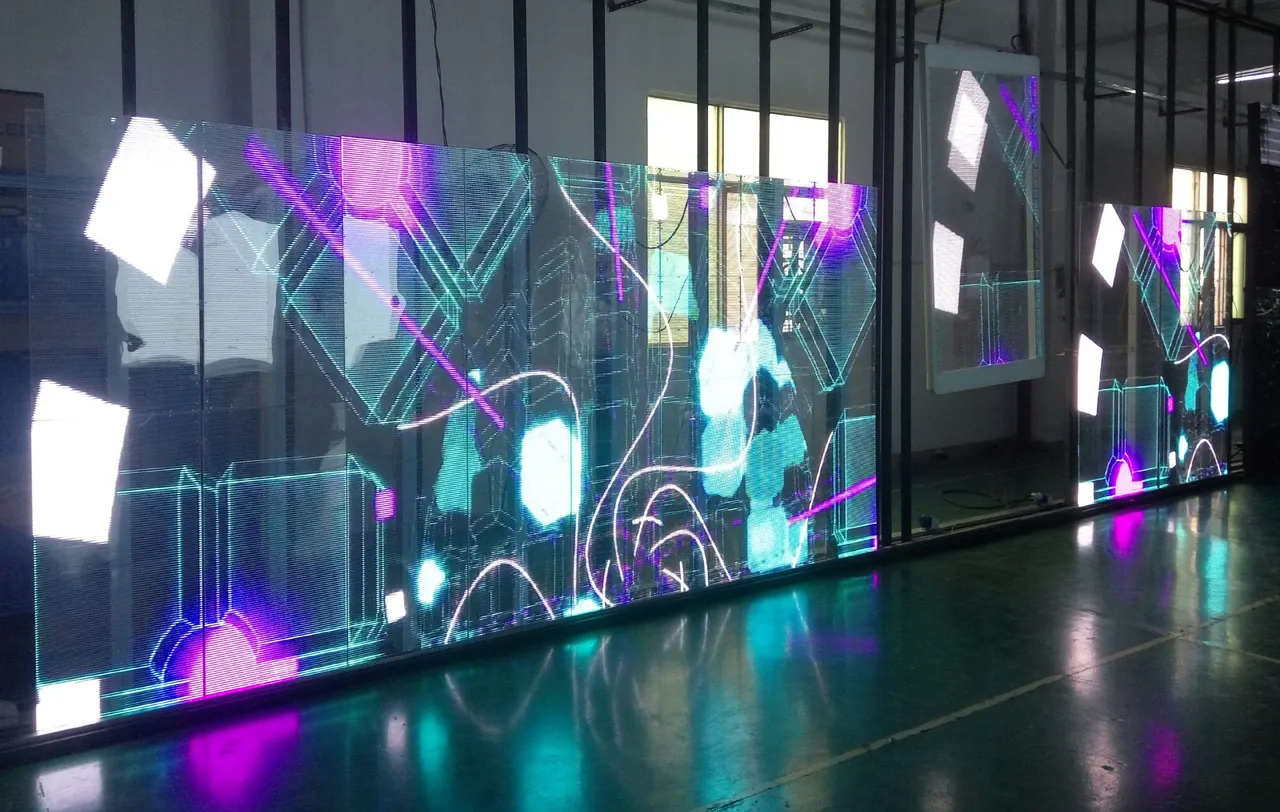
Transparent OLED displays create an image on a surface that, like glass, shows what's behind it. Video, price information or animation can play in front while the product in the shop window, the object in the display case or the space behind the display remains visible.
How does it work?
In OLED technology, every pixel produces its own light; there's no need for a backlight panel as in conventional LCD displays. This allows the panel to be made transparent. Black areas in the content appear transparent on the display, while colored and bright areas form the image. For this reason, black backgrounds are used deliberately in content prepared for transparent OLED.
LG transparent OLED models
Both models run the webOS operating system; the 30 inch model has a 10-point touch surface. Values are taken from the manufacturer's technical specifications.
Where is it used?
- Shop windows: Campaign and price information is shown on the same surface while the product remains visible in the window.
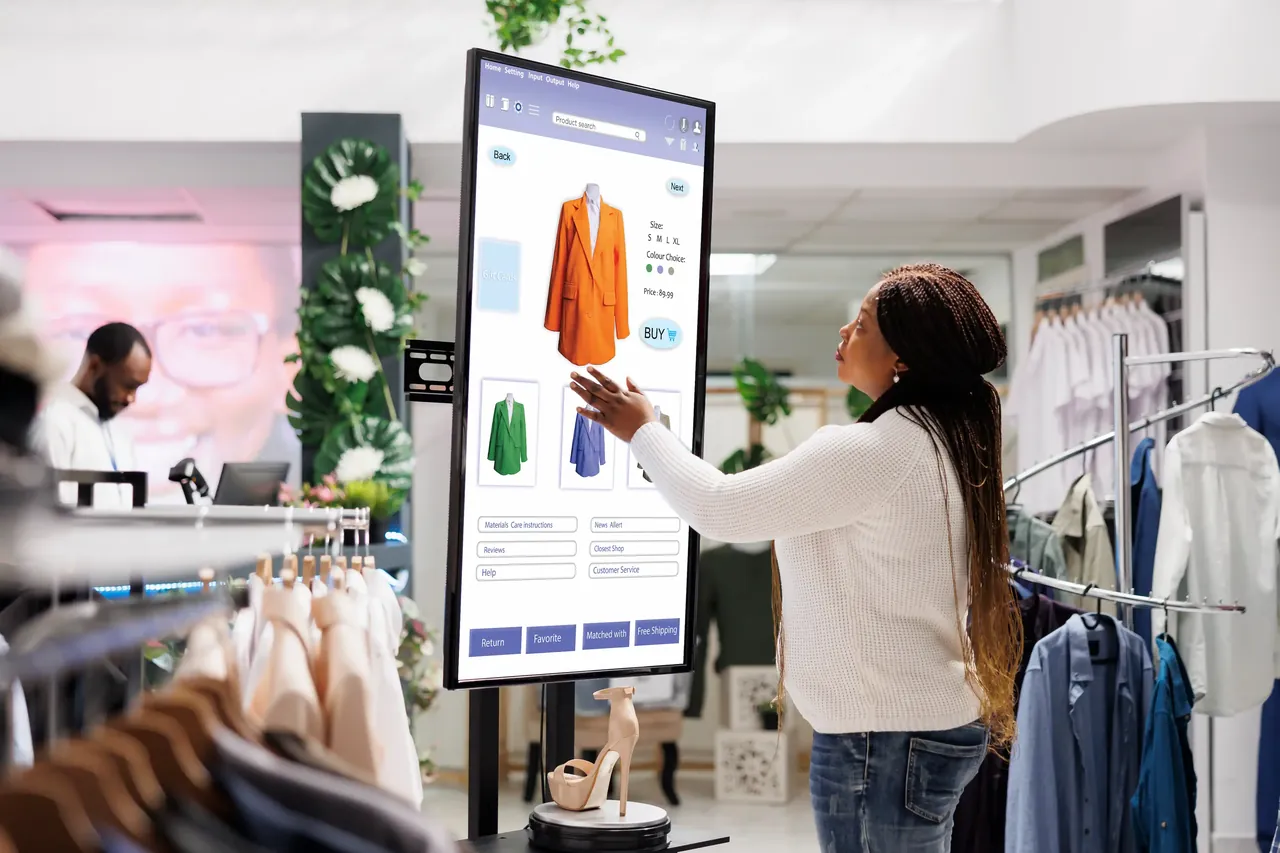
- Product display cases: Product features are presented in front of watches, jewelry and electronics; with the touch model, visitors access the information themselves.
- Museums and exhibitions: Descriptions and animations are shown in front of the exhibit.
- Lobbies and reception areas: Brand messages are delivered without blocking the view of the space.
Transparent OLED or transparent LED?
Transparent OLED suits indoor areas viewed up close and not exposed to direct daylight; its image is sharp and detailed. For large glass façades and applications viewed from a distance that require high brightness, transparent LED is preferred. LG's transparent LED film, for example, offers 4,000 nits of brightness and 53% transparency.
Content operations
Content on transparent displays is managed centrally through SSCSign together with your other displays. Content suited to transparent surfaces is prepared by our content and publishing team.
Summary
For indoor applications that need to show the product or space behind them, transparent OLED is the right solution; for large glass surfaces, transparent LED. We can determine the mounting, viewing distance and content layout together during the site survey.